Best Beginner Sewing Machine · Making clothes

Best Beginner Sewing Machine for Making Clothes

For making clothes, our top pick is the Brother XR9550: eight one-step buttonhole styles, a free arm for sleeves and hems, and 165 built-in stitches. The Brother CS7000X is a close alternative with speed control. Garments need a good straight stitch and zigzag, stretch stitches for knits, a free arm and buttonholes you can trust.

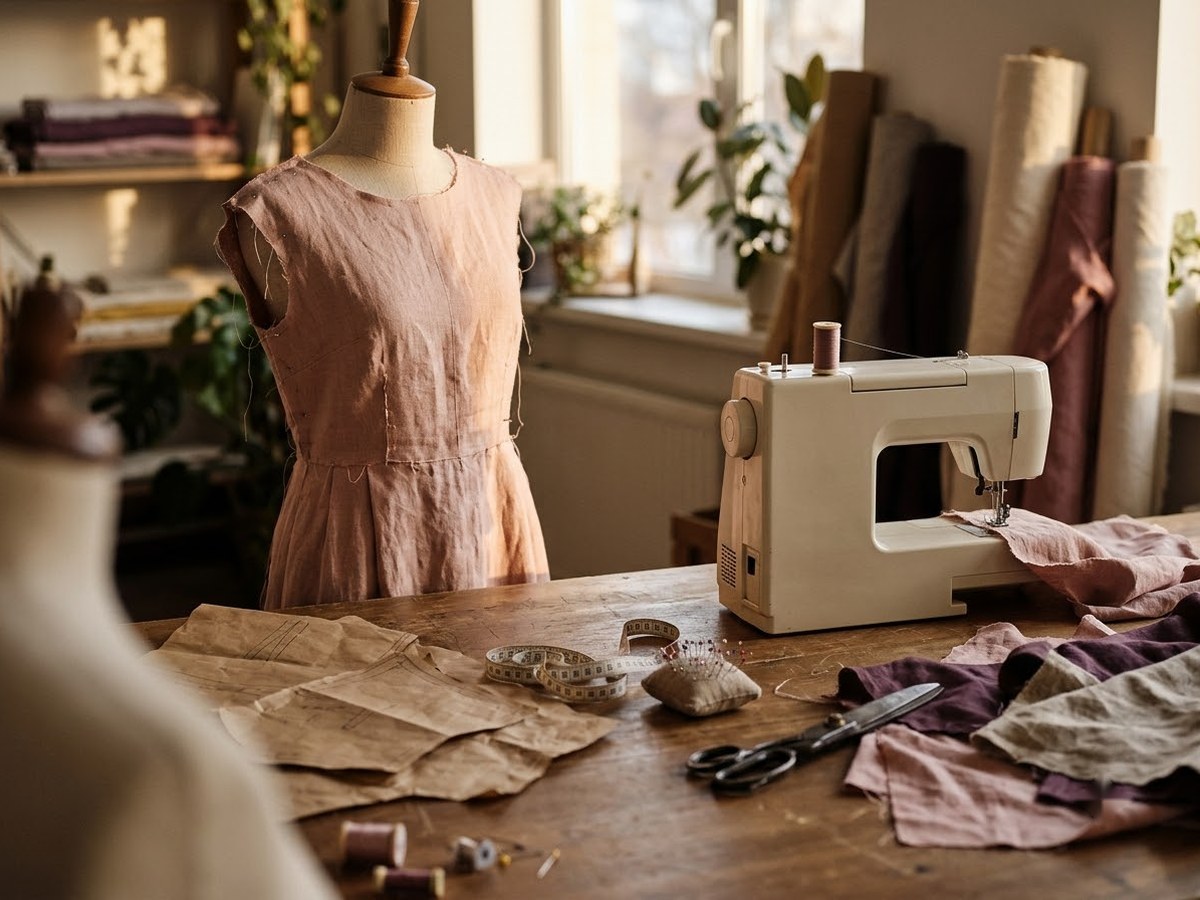
Half-made linen dress on a dress form beside a sewing machine with paper pattern pieces on the table

Our top 3

Top picks at a glance

Best for making clothes#1
Brother XR9550 machine

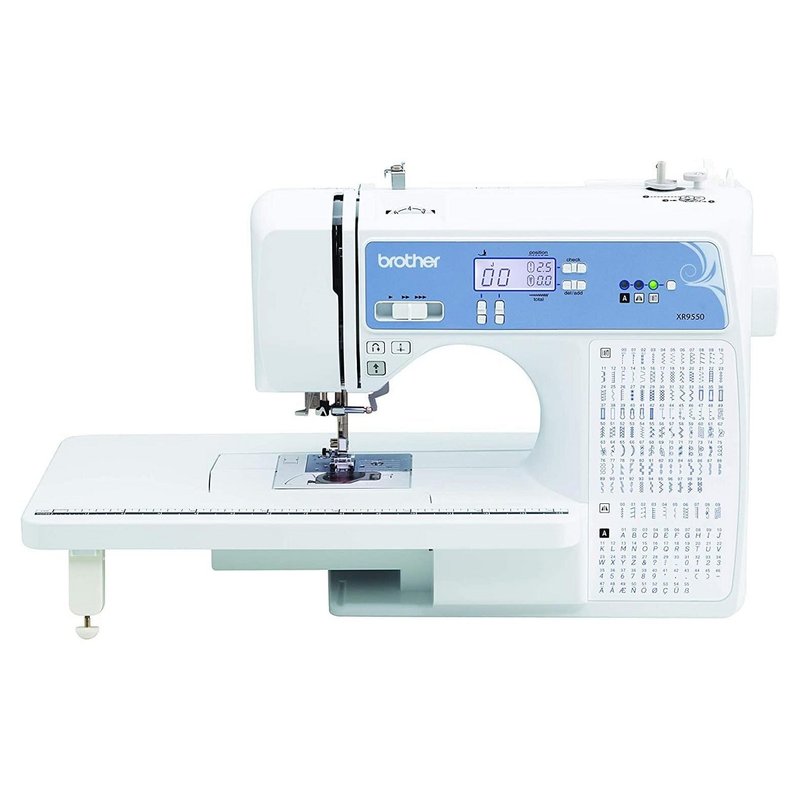
Brother XR9550

Mid-range price range

Eight one-step buttonhole styles, a free arm, 165 stitches and a hard case, per Brother.

Read reviews ›
Best with speed control#2
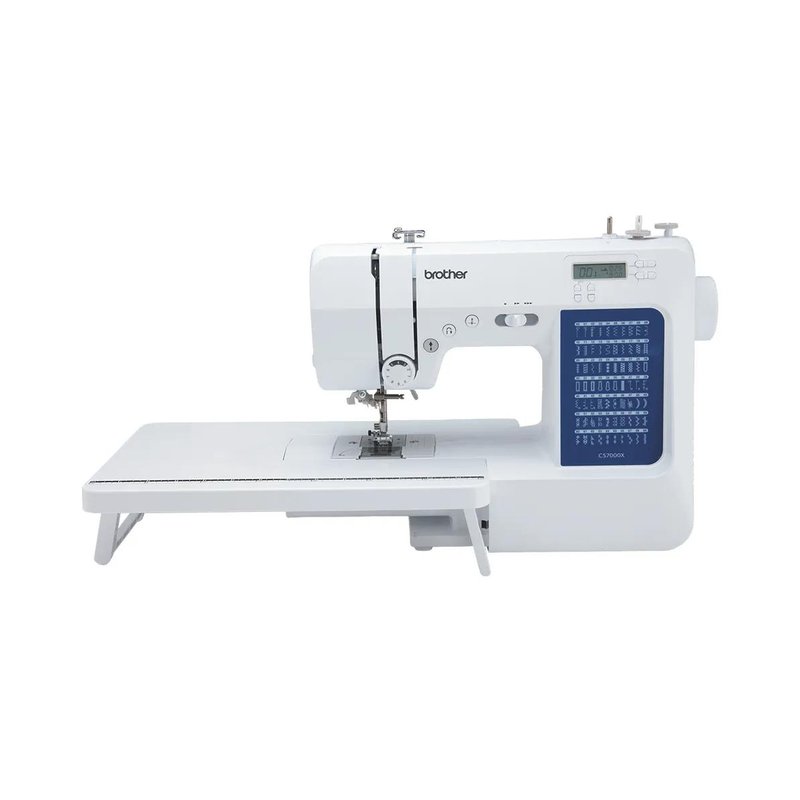
Brother CS7000X machine

Brother CS7000X

Mid-range price range

Seven one-step buttonholes, a free arm and a speed slider for careful work on curves.

Read reviews ›
Best simple mechanical#3
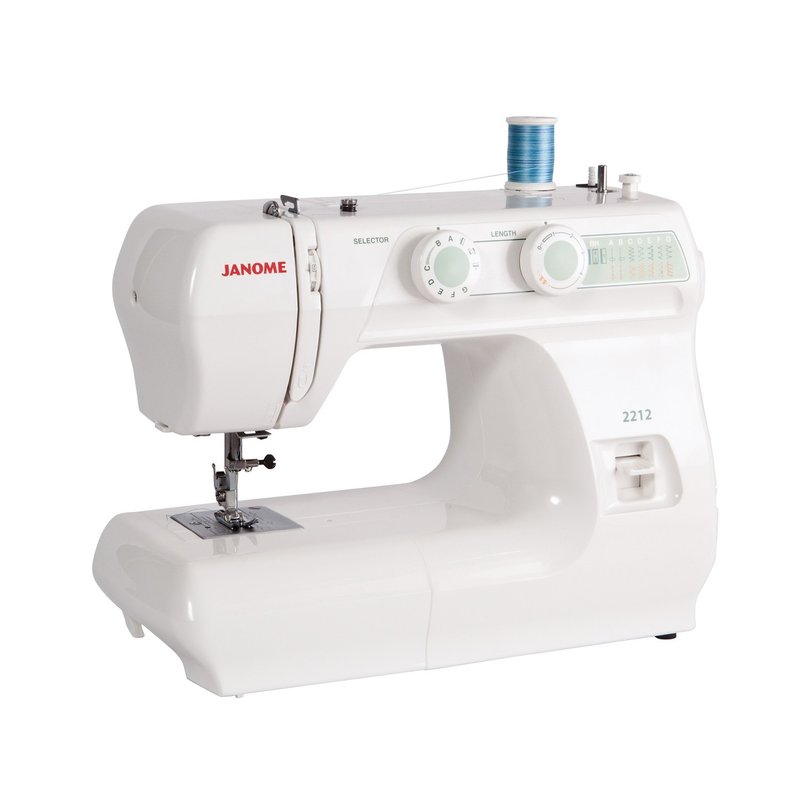
Janome 2212 machine

Janome 2212

Mid-range price range

A plain dial machine with a free arm for woven-fabric garments; no automatic threader and a four-step buttonhole.

Read reviews ›

In detail

Who each one suits

Specifications are each brand’s own; fit notes draw on sewing educators, brand manuals and independent reviews. We have not tested or used these machines ourselves.

Best for making clothes#1

Brother XR9550

The XR9550 is the stitch-rich computerized option at a mid-range price. Good Housekeeping named it its best overall sewing machine, and Brother includes an oversized wide table and a hard case, which suits beginners who expect to try decorative stitching and lettering.

Why it stands out

  • 165 built-in stitches including 55 alphanumeric, and eight one-step buttonhole styles (Brother).
  • Large LCD for push-button stitch selection, a free arm and a drop feed for free-motion quilting.
  • Oversized wide table, eight feet and a hard case in the box, per Brother.
TypeComputerized, LCD
Stitches / designs165 stitches (55 alphanumeric)
ThreadingBrother threading system, Quick-Set bobbin
Buttonhole8 one-step styles
In the boxWide table, 8 feet, hard case

Good fit if

  • You want lots of stitches and simple lettering.
  • You sew garments and want several buttonhole styles.
  • You want a wide table and case included.

Skip it if

  • You want a dial machine with nothing to program.
  • You mostly sew heavy fabrics.
Best with speed control#2

Brother CS7000X

The CS7000X is the machine that turns up most often as the best beginner pick in current roundups, and the spec sheet explains why. Brother pairs the beginner basics (automatic needle threader, drop-in bobbin, speed control) with a wide table and a walking foot, so it covers clothes, mending and a first quilt without buying extras.

Why it stands out

  • 70 built-in stitches and seven one-step, auto-size buttonhole styles, selected on an LCD (Brother’s figures).
  • Adjustable speed control, a free arm and a drop feed for free-motion quilting, per Brother.
  • Brother lists 10 feet including walking and quilting feet, a detachable wide table, a hard cover and a 25-year limited warranty.
TypeComputerized, LCD
Stitches / designs70 stitches
ThreadingAuto needle threader, drop-in bobbin
Buttonhole7 one-step styles
In the boxWide table, 10 feet incl. walking foot, hard cover

Good fit if

  • You want one machine for garments, home projects and first quilts.
  • You want to learn slowly with a speed slider instead of relying on the pedal.
  • You like getting the wide table and walking foot in the box.

Skip it if

  • You mostly plan to sew thick denim or canvas — look at the Singer Heavy Duty 4452.
  • You want the plainest dial machine with nothing on a screen — the Brother XM2701 is simpler.

Brother’s CS7000X page lists a 1/4-inch foot in the specifications but leaves it out of the carton contents, so check the product page for exactly what is included.

Best simple mechanical#3

Janome 2212

The 2212 is a plain mechanical machine from Janome, which calls it a quality entry-level model. It skips the conveniences most beginners like, such as an automatic needle threader, a drop-in bobbin and a one-step buttonhole, in exchange for very few controls.

Why it stands out

  • Dial stitch selection; Janome lists 12 stitches (a dealer lists 6 plus a buttonhole).
  • Free arm and snap-on presser feet, per Janome.
  • Blind hem, sliding buttonhole and zipper feet listed by an authorized dealer.
TypeMechanical, dial
Stitches / designs12 stitches (Janome’s count)
ThreadingManual threading, front-load bobbin
Buttonhole4-step
In the boxBlind hem, buttonhole and zipper feet

Good fit if

  • You want the simplest possible controls and plan to sew mostly woven fabrics.
  • You do not mind threading the needle and loading a front bobbin by hand.

Skip it if

  • You want an automatic needle threader, drop-in bobbin or one-step buttonhole — most Brother picks here have all three.
  • You want decorative stitches.
Also worth a look

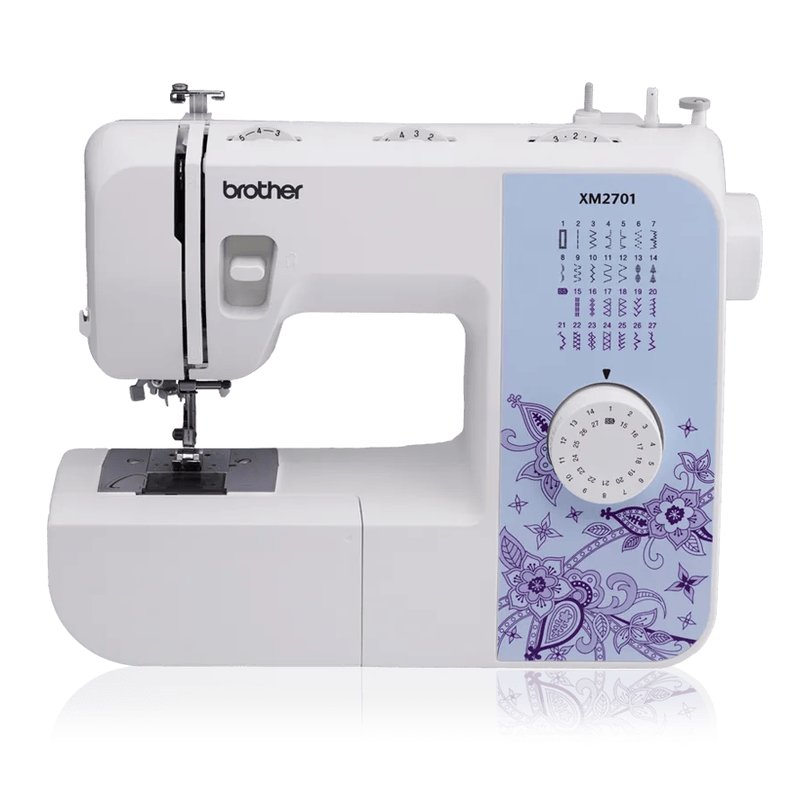
Brother XM2701

If you want a real sewing machine without spending much, the XM2701 keeps the two features that make learning easier, an automatic needle threader and a drop-in bobbin, and adds a one-step buttonhole. You choose stitches with a dial, so there is nothing to program.

Why it stands out

  • 27 built-in stitches including a one-step auto-size buttonhole (Brother’s count).
  • Automatic needle threader and a jam-resistant top drop-in bobbin, per Brother.
  • Six feet in the box (buttonhole, button sewing, narrow hemmer, zipper, blind stitch, zigzag) and a 25-year limited warranty.
TypeMechanical, dial
Stitches / designs27 stitches
ThreadingAuto needle threader, drop-in bobbin
Buttonhole1 one-step
In the box6 feet, LED work light

Good fit if

  • You want the cheapest machine that still threads the needle for you.
  • You prefer turning a dial to pressing buttons.
  • You need a light machine for a small space or a class.

Skip it if

  • You want a speed slider — the CS7000X has one.
  • You plan to quilt larger projects — there is no wide table in the box.

Planning your first garment?

Elastic-waist pajama pants or a simple skirt teach seams, casings and hems before you tackle zippers and buttonholes.

Read buyer reviews ›

Tips

Three things that make the difference

01

Use the right needle for knits

Tilly and the Buttons recommends a ballpoint needle for most knits and a stretch needle for very stretchy fabrics with elastane, such as activewear.

02

Sew knits with a narrow zigzag

Tilly and the Buttons suggests a narrow zigzag (width 1 to 1.5) for knit seams, and says not to pull the fabric but let the feed dogs move it.

03

Test every buttonhole

Sew4Home advises a test buttonhole on a scrap of the same fabric, and Singer recommends interfacing and a temporary stabilizer for neat buttonholes.

Honest note

You do not need a serger to make clothes. Which? says an overlocker supplements a sewing machine rather than replacing it, and a zigzag or overcast stitch finishes seams well. Madam Sew suggests adding a serger later if you sew knits often.

FAQ

Questions people ask

What features do I need for sewing clothes?

A straight stitch, a zigzag, a stretch stitch, a free arm and a one-step buttonhole cover most garments. Singer says a free arm makes sleeves and cuffs easier and a one-step foot makes every buttonhole uniform.

Can a beginner sewing machine sew knit fabric?

Yes. A Brother sewing guide says to use stretch stitches and a ballpoint needle for knits, and Seamwork says knits can be sewn without a serger using a zigzag, then trimming the seam allowance.

Do I need a serger to make clothes?

No. Madam Sew says a sewing machine is essential and a serger cannot replace it, and AllFreeSewing says most sewists do not strictly need one. Add a serger later if you sew lots of knits.

How do I sew a zipper on a beginner machine?

Use the zipper foot with a straight stitch. A Singer manual describes basting the seam closed, basting the zipper face down, stitching the left side from bottom to top, across the end and up the right side, then removing the basting.

What is a good first clothing project?

Elastic-waist pajama pants, which FaveCrafts calls a beginner project you can finish in an evening, or the skirts and pants with casings that Kentucky 4-H lists as first-unit projects.

One-step or four-step buttonhole for clothes?

One-step if you sew many buttonholes, because Singer says it measures the button and makes them all match. Sew4Home notes four-step or manual buttonholes suit raised or unusual buttons better.

Make clothes that fit, from the first seam

Want the full picture? See our best beginner sewing machine picks, compared by project, and the FAQ on features, fabrics and care.